


Missing teeth can affect much more than the appearance of your smile. They may make it difficult to chew certain foods, speak comfortably and maintain proper alignment of the remaining teeth. Over time, tooth loss may also contribute to changes in the jawbone and facial structure. Dental implants are a widely used tooth-replacement option that can restore the appearance and function of missing teeth while providing stable support for crowns, bridges or dentures.
A dental implant is a small post that is surgically placed into the jawbone to replace the root of a missing tooth. Once the implant has healed and integrated with the surrounding bone, it can support a custom-made dental crown or another type of restoration. Because every patient’s oral health is different, implant treatment must be carefully planned according to the condition of the gums, jawbone, remaining teeth and overall health.
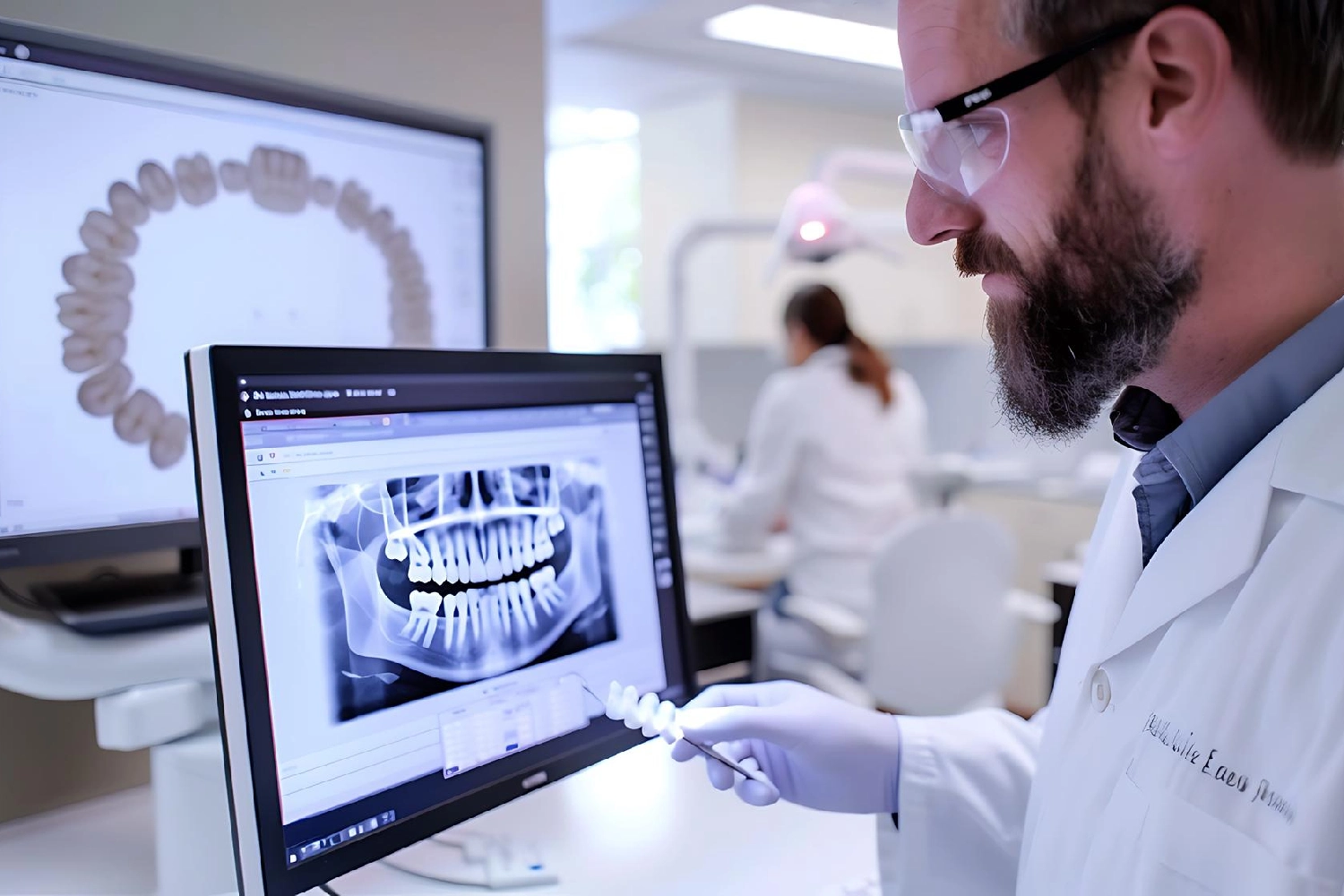
Patients researching dental implants Allen should begin by scheduling a comprehensive consultation with an experienced dental professional. During this appointment, the dentist will evaluate the missing tooth or teeth, examine the gums and review the patient’s medical and dental history. Dental X-rays or three-dimensional imaging may also be recommended to assess bone density, identify the position of nearby nerves and determine whether there is enough space to place an implant safely.
Who May Be a Candidate for Dental Implants?
Many adults who have lost one or more teeth may be considered for dental implant treatment. However, suitable candidates generally need healthy gums and enough jawbone to support the implant. Patients should also be willing to maintain good oral hygiene and attend regular follow-up appointments.
Certain health conditions, medications, untreated gum disease or tobacco use may affect the healing process. These factors do not always prevent a patient from receiving implants, but they should be discussed openly during the consultation. The dentist may recommend additional treatment or medical clearance before proceeding.
If the jawbone is too thin or has reduced in volume after tooth loss, a bone graft may be required. Bone grafting helps strengthen or rebuild the area where the implant will be placed. The graft must sometimes heal for several months before implant surgery can begin.
The Dental Implant Treatment Process
Dental implant treatment usually involves several stages. The exact timeline may vary depending on the patient’s needs, healing response and whether additional procedures are required.
The first stage is consultation and treatment planning. The dentist evaluates the patient’s oral health, discusses treatment goals and explains available tooth-replacement options. A written treatment plan may include the number of implants required, the type of restoration, expected costs and an estimated timeline.
If a damaged or severely decayed tooth is still present, it may need to be extracted. In some situations, an implant can be placed immediately after extraction. In other cases, the area may need time to heal before implant placement.
During implant surgery, the dental professional creates a small opening in the jawbone and carefully positions the implant. The area is then closed to allow healing. Patients may receive local anaesthesia, sedation or another comfort option depending on the complexity of the procedure and their level of dental anxiety.
After placement, the implant needs time to become stable within the jawbone. This healing process is known as osseointegration. It may take several weeks or months, depending on the treatment area, bone quality and overall health of the patient.
Once healing is complete, an abutment may be attached to the implant. The abutment connects the implant to the final dental restoration. Digital scans or impressions are then taken so the crown, bridge or denture can be designed to fit the patient’s mouth.
The final restoration is created to match the shape, size and colour of the surrounding teeth. After it is attached, the dentist checks the patient’s bite and makes any necessary adjustments.
Benefits of Choosing Dental Implants
Dental implants provide several potential benefits. They are designed to remain stable while eating and speaking, which can help patients feel more confident in everyday situations. Unlike removable dentures, implant-supported restorations do not usually need to be removed for cleaning or secured with dental adhesive.
An individual implant can replace a missing tooth without requiring the neighbouring teeth to be reduced for a traditional bridge. Implants can also be used to support bridges when several teeth are missing or to improve the stability of a removable denture.
Because implants replace the roots of missing teeth, they may help stimulate the jawbone during chewing. However, long-term success depends on proper treatment planning, healthy gum tissue, regular maintenance and the patient’s commitment to oral hygiene.
How Much Do Dental Implants Cost?
The cost of dental implants varies from one patient to another. Factors affecting the total price may include the number of implants, type of restoration, diagnostic imaging, extractions, bone grafting, sedation, laboratory work and the complexity of treatment.
Patients should request a detailed written estimate before beginning treatment. The estimate should explain the cost of implant placement, the abutment and the final crown or restoration. It should also identify any additional procedures that may be required.
Dental insurance coverage for implants varies between policies. Some plans may provide partial benefits for the crown, extraction or other related services, while others may have exclusions or waiting periods. Patients should ask the dental office to verify their benefits and provide an estimated out-of-pocket cost.
A pre-treatment estimate may also be submitted to the insurance provider. However, benefit estimates are not always a guarantee of final payment. Financing plans or phased treatment options may be available for patients who prefer to divide the cost into manageable payments.
Recovery After Implant Surgery
Following implant placement, patients may experience temporary tenderness, swelling or minor discomfort. The dental team may provide instructions regarding medication, diet, oral hygiene and physical activity.
Patients may be advised to eat soft foods for a short period and avoid chewing directly on the surgical area. Brushing and cleaning instructions should be followed carefully to protect the healing tissues.
It is important to attend all scheduled follow-up visits. These appointments allow the dentist to monitor healing and identify any concerns early. Patients should contact the dental office if they experience persistent pain, unusual swelling, bleeding, fever or movement in the implant area.
Caring for Dental Implants
Dental implants are not vulnerable to tooth decay in the same way as natural teeth, but the gums and tissues surrounding them still require daily care. Plaque buildup around an implant may lead to inflammation and complications.
Patients should brush at least twice a day and clean between the teeth and implants using floss, interdental brushes or another product recommended by the dentist. Professional dental cleanings and routine examinations remain essential.
Avoiding tobacco, managing medical conditions and wearing a protective night guard when recommended may also help protect the implant and restoration. Patients who grind or clench their teeth should discuss this habit with their dentist.
Choosing the Right Dental Implant Provider
When comparing dental implant providers, patients should look beyond the advertised price. Ask about the dentist’s experience, qualifications, technology, treatment process and follow-up care.
It is also important to understand who will perform each stage of treatment. Some practices complete implant placement and restoration in the same office, while others coordinate care with an oral surgeon, periodontist or prosthodontist.
A trustworthy provider should explain the benefits, risks, alternatives, expected timeline and complete cost before treatment begins. Patients should feel comfortable asking questions and should never feel pressured into making an immediate decision.
Dental implants can provide a stable and natural-looking way to replace missing teeth, but successful treatment begins with careful evaluation and personalised planning. Patients in Allen and nearby areas can schedule a consultation to discuss their tooth-replacement options with Marble Dental McKinney.